Organizing a wedding in 2024 means navigating through dozens of Pinterest moodboards, color palettes that change each season, and vendors who recycle the same concepts. The real challenge is not finding ideas, but balancing visual impact, actual budget, sustainability of choices, and the tangible comfort of guests on the big day. This article compares these four criteria to help make more informed wedding decisions.
Wow factor, budget, and sustainability: a comparison of wedding decoration choices
Decorative choices concentrate the majority of tensions during wedding planning. The table below compares three common approaches in 2024 based on the criteria that truly matter.
| Decorative approach | Visual impact | Relative cost | Sustainability | Guest comfort |
|---|---|---|---|---|
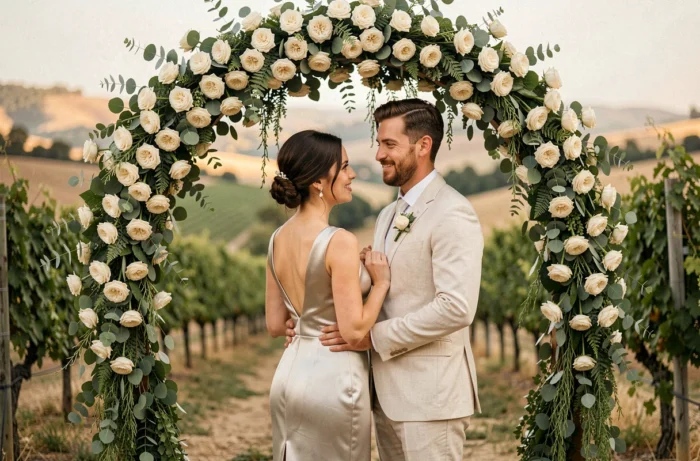
| Spectacular floral arrangements (arches, hanging displays, XXL centerpieces) | Very high | High | Low (imported cut flowers) | Neutral (sometimes obstructive on tables) |
| Reusable scenography (drapes, rented furniture, vintage items) | High | Moderate | Good (rental, reuse) | Good (clear spaces) |
| Local and seasonal flowers, eco-friendly paper | Moderate | Variable | Very good | Good |
Giant floral arrangements remain the most photographed element, but they also weigh heavily on the budget without providing lasting benefits. Renting furniture and airy drapes offers a better cost-impact ratio, while freeing up space for guest circulation.
Couples who choose seasonal and local flowers reduce their logistical footprint. The visual outcome then depends more on the florist’s work than on the chosen variety. This is a decision to discuss directly with the vendor, with quotes in hand.
To keep up with these trends and find suitable vendors, regular publications on the Mon Plus Beau Mariage website detail the experiences of recent couples.
Disconnected wedding ceremony: gadget or real benefit for guests
The smartphone-free ceremony is gaining traction in 2024. The principle: ask guests to put away their phones during the ceremony to preserve collective attention and the quality of images from the professional photographer.
A disconnected ceremony improves photo quality and guest attention. Wedding photographers report that raised arms with phones obstruct shooting angles and disrupt the aesthetics of ceremony shots.
However, this approach requires clear communication in advance. A discreet sign at the entrance of the venue is not always sufficient. Couples who opt for this format typically plan an announcement by the officiant and, sometimes, a dedicated space after the ceremony for everyone to take their own photos.
Limitations to anticipate
- Older guests or those geographically distant may feel frustrated not being able to capture the moment themselves, especially if they won’t receive the official photos for several weeks
- The cost of the photographer remains the same; the disconnected ceremony does not reduce the budget but redistributes value towards higher quality shots
- Without a proposed alternative (such as a quickly shared online gallery), the format may generate misunderstanding rather than acceptance
The real benefit is measured in the final photos and the atmosphere perceived during the exchange of vows. For a wedding with fewer than fifty guests, the effect is more pronounced than for a large reception.
Personalization of rings and gifts: beyond the traditional wedding list
The traditional wedding list in stores is losing ground to more personalized options. Couples are now directing their requests towards shared experiences (trips, classes, activities) or concrete projects rather than tableware or linens.
Custom rings with mixed metals and colored stones are replacing the single gold model. Personalized engraving, metal combinations (such as gold and platinum), and the integration of stones other than the classic diamond reflect this quest for uniqueness.
On the sustainability front, the rise of lab-grown diamonds and recycled metals meets an ethical expectation documented in recent reports on the wedding industry. The price of these alternatives varies, but they allow couples to align their jewelry choices with their beliefs without a visible compromise on quality.
Micro weddings and sensory experiences: formats that change the guest experience
The micro wedding (fewer than fifty guests) and zoned experiences are among the most distinctive formats in 2024. Rather than gathering all guests in a single room for the entire evening, some couples organize a journey with themed spaces: cocktail corner, lounge area, dance space, dessert corner.
The zoning format improves circulation and reduces downtime between segments. Guests move at their own pace, which diminishes the feeling of waiting often criticized in traditional receptions.
What this changes for the budget
A micro wedding mechanically reduces the cost of catering, venue, and logistics. However, the budget per guest often increases: couples invest more in meal quality, decoration, and personalized details.
- The caterer can offer a more elaborate menu with local and organic products when the number of covers decreases
- The reception venue gains flexibility: private gardens, unique estates, spaces that could not accommodate two hundred people
- Immersive entertainment (twilight ceremonies, guided food and wine pairings) becomes feasible without blowing the overall budget
The micro format is not a budget wedding. It is a choice of budget allocation that prioritizes the intensity of the experience over the number of guests.
Organizing a wedding in 2024 comes down to a series of concrete trade-offs. Each budget item deserves to be evaluated based on its real impact on guests, not just on its photographic output. Trends come and go, but guest satisfaction and the coherence of choices remain the best indicators of a successful wedding day.