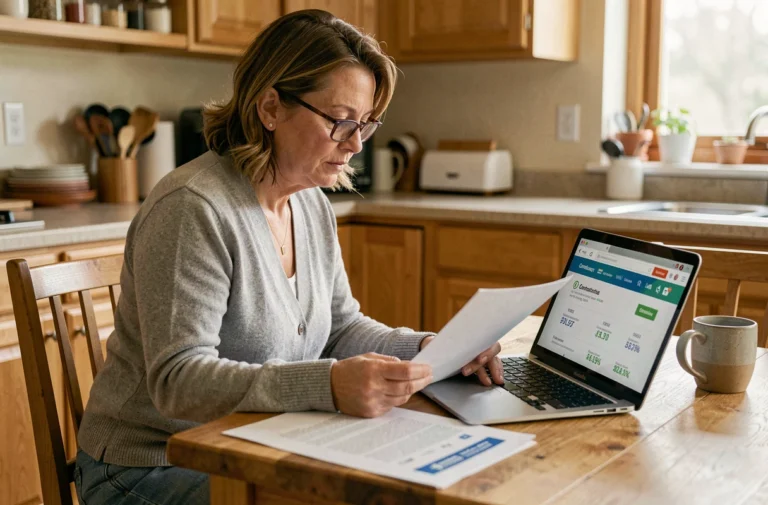
LogisFil is based on a telemanagement mechanism that records the start and end of each home intervention. For the senior beneficiary, the tool is not limited to a passive calendar: it produces a timestamped record that can be utilized by the support organization, the funder (department, fund), and the family caregiver. Understanding what this traceability concretely implies changes the way the platform is used.
LogisFil Telemanagement and Home Autonomy Services Reform
Since 2023, the former SAAD, SSIAD, and SPASAD have converged into home autonomy services (SAD). This reorganization distinguishes services focused on assistance from those that also include care. LogisFil fits into this framework: the telemanagement it offers must now interact with broader ecosystems, where coordination between caregivers, nurses, and primary care physicians becomes the expected norm.
The direct consequence for a beneficiary is that the attendance data is not kept in silos. It feeds into the administrative follow-up of the APA or PCH aid plan and serves as supporting documentation during compliance checks of funded hours. A recurring delay or a shortened intervention appears in the history, which may trigger a reassessment of the plan by the department.
A feedback report published by La Dépêche on September 22, 2026, illustrates the on-the-ground reality: an organization that activated telemanagement in 2025 equipped its employees with professional phones and installed badges at the homes of those being assisted. Success depends on the equipment deployed and the adoption by the caregivers, not just on the software interface.
We recommend that beneficiaries check with their organization whether attendance is recorded via NFC badge at home or by the caregiver’s smartphone, as the chosen method influences the reliability of the hours displayed in the personal space. To access their Logisfil schedule, the beneficiary uses a structure code and a password corresponding to their date of birth in the format YYYYMMDD.
Reading and Verifying Interventions in the LogisFil Beneficiary Space
The beneficiary space displays interventions validated by telemanagement, not the planned interventions. This distinction is fundamental. If a visit has not been correctly recorded, it will not appear, even if it took place. The beneficiary thus has a control tool, but also an alert system.
What Each Intervention Line Contains
- The identity of the caregiver (name or code), the date, and the start and end times of the visit as recorded by the attendance device
- The type of service attached (personal care, home maintenance, external support), according to the coding used by the organization
- The validation status: an intervention may be awaiting confirmation from the coordinator before appearing as final
Checking their intervention history every week allows beneficiaries to quickly spot any discrepancies between the aid plan and reality. In case of divergence, the beneficiary or their caregiver can report the anomaly to the organization before the monthly billing.
Common Errors in Identification
The default password follows the date of birth format YYYYMMDD. A person born on March 5, 1942, would enter 19420305. The most common error remains the inversion of day/month or forgetting the leading zero. The LogisFil code is assigned by the organization: it does not correspond to the social security number or the APA file number.
On mobile, the interface displays in the browser without a dedicated app. We observe that readability remains limited on small screens, which poses a concrete problem for seniors using an entry-level smartphone.
Delegation of LogisFil Access to a Family Caregiver
LogisFil does not offer a distinct caregiver profile. In practice, the beneficiary shares their credentials with a trusted relative. This solution, while functional, raises a question of responsibility: any action taken from the account remains attributed to the beneficiary.
For a caregiver managing multiple relatives, this means juggling several pairs of username/password without a centralized interface. No automatic notification mechanism (email or SMS alert in case of a missed intervention) is natively integrated into the platform. The caregiver must actively log in to check the history.
APA Funding and LogisFil Traceability: The Administrative Link
Decree No. 2024-2 of January 2, 2024, replaced the annual logic of setting APA amounts with a regulatory formula inscribed in the Social Action and Families Code. This change stabilizes the minimum rate for home assistance services and makes the traceability of hours even more critical.
In practice, the department compares the hours declared by the organization (via telemanagement) to the hours planned in the aid plan. A significant discrepancy can lead to a financial adjustment, either upwards or downwards. The beneficiary thus has an interest in ensuring that each visit is correctly recorded: an unrecorded intervention is one that risks not being funded.
This mechanism explains why some organizations emphasize the rigor of attendance recording. It is not a gratuitous bureaucratic constraint: attendance directly conditions the funding of assistance hours.
LogisFil remains a tool for consultation and verification, not a scheduling software. The beneficiary who wishes to modify their hours or report an additional need must go through their organization coordinator. The platform reflects what has happened, not what should happen. Keeping this distinction in mind avoids many frustrations.