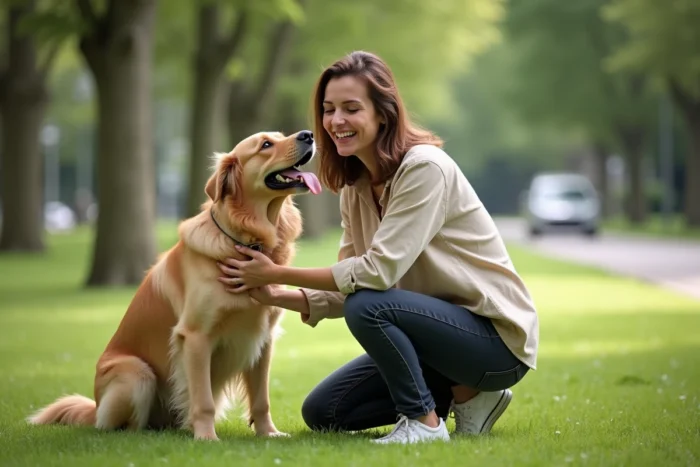
A dog that destroys the sofa in your absence, a puppy that refuses to walk on a leash, an Australian shepherd that circles in a 40 m² apartment: we encounter these situations every day. The problem does not lie with the dog itself, but with a mismatch between its real needs and the lifestyle we offer. Understanding dog breeds, their behavior, and their concrete requirements is essential to avoid these mistakes.
Behavioral warning signs in dogs: what we miss every day
Before discussing breeds or diet, we must learn to read our dog. An animal that yawns out of context of fatigue, that licks its lips in front of a child, or that turns its head when we pet it on the head is sending calming signals. These micro-behaviors often precede a more pronounced reaction (growling, jaw snapping).
Ignoring these signals leads to bites described as “sudden”, when they have been signaled for weeks. This pattern is regularly observed in families with young children, where the dog endures interactions it cannot escape.
A concrete point: when a dog freezes and stares, it is not obedience. It is a warning. Learning to distinguish a calm dog from an inhibited dog radically changes cohabitation. There are also useful resources to delve deeper into these topics on the dog page of Univers Animaux, which covers various aspects of canine behavior.
Choosing a dog breed according to your actual lifestyle
Breed profiles list physical characteristics and a typical temperament. The problem is that they describe an “average” dog that doesn’t really exist. A Labrador retriever can be a placid companion or an uncontrollable hyperactive depending on its lineage (work or beauty) and early education.
Concrete criteria before adoption
You save time by starting from material constraints rather than an aesthetic crush:
- Space and outdoor access: a Belgian Malinois in a studio without a garden, even with two walks a day, will develop issues. Herding breeds need mental stimulation as much as physical, not just miles.
- Time available daily: a companion dog like a Cavalier King Charles requires less physical exertion but struggles with prolonged solitude. If you work ten hours away from home, the problem remains.
- Household composition: with young children, prioritize a dog with a high tolerance threshold. The golden retriever often comes up in recommendations, but early socialization of the puppy matters more than the breed itself.
- Realistic health budget: some breeds with short muzzles (French bulldog, pug) have combined respiratory and dermatological predispositions. Veterinary costs can rise quickly without appropriate insurance.
Popular breeds in France: some ground realities
The Australian shepherd remains in high demand, but returns to shelters for this breed have significantly increased in recent years. The gap between the image of the “sporty family dog” and the reality of an animal that needs to work several hours a day explains this phenomenon.
The Staffordshire Bull Terrier, often adopted for its physique, is an affectionate but powerful dog. Without clear boundaries from the start, its physical strength becomes a management problem for a novice owner.
Responsible adoption and decline of purebred puppies in France
Registrations of puppies in the Livre des Origines Français (LOF) have seen a marked decline recently. The Saint-Bernard Fund analyzes this trend as a sign of more responsible adoption: more future owners are turning to shelters or non-LOF dogs, questioning the origin of the animals and the excesses of intensive breeding.
At the same time, puppy fairs are facing increasing criticism. Impulsive purchases at these events fuel abandonments a few months later, a structural problem that mere awareness cannot resolve.
Adopting an adult dog from a shelter allows you to know its real temperament, unlike a puppy whose definitive character only reveals itself after several months. Organizations often offer a trial period that secures the adoption for both parties.
Dog training: common mistakes and effective methods
Positive education does not mean the absence of structure. “Positive reinforcement” is often confused with laxity. A dog needs clear limits, set without violence but with consistency.
The three most common mistakes
The first: calling a dog that returns after a runaway and punishing it. It associates the punishment with the return, not the runaway. Result: it returns even less the next time.
The second: varying the rules depending on the day or family members. A dog that receives contradictory commands develops anxiety, not willful disobedience.
The third: neglecting socialization between three and twelve weeks. This window is short. A puppy that has not been exposed to urban noises, other animals, and varied humans during this period will have more difficulties adapting as an adult. Returns vary on the possibility of “catching up” late socialization, but professional consensus leans toward partial compensation, never total.
Consistency and routine in daily life
Meals at fixed times, regular walks, the same words for the same commands: this predictability reassures the dog. An animal secured in its routine is calmer outside of it.
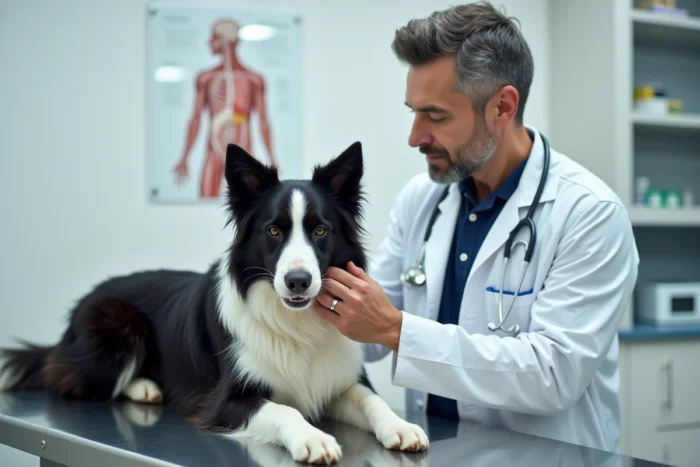
Grooming (regular brushing according to coat type) is also part of training. A dog accustomed from the start to being handled (paws, ears, mouth) makes every veterinary visit and home care easier.
Understanding your dog means accepting that it is neither an accessory nor a human in disguise. It is an animal with specific needs related to its breed, history, and environment. Owners who integrate this reality from the start avoid most behavioral problems and build a long-lasting cohabitation.